
I love chicken breasts because they’re versatile, quick, and forgiving if you pay attention. But so often, they turn out dry or bland, especially if you cook at high heat without a plan. This recipe is about giving them a little extra personality — a sear, a splash of citrus, and a gentle rest that transforms simple into memorable.
Why I keep returning to this chicken recipe
It’s simple enough for weeknights but feels special with the citrus glaze. The crispy exterior combined with tender, juicy meat makes every bite satisfying. I love how adaptable it is—swap out herbs or add a spicy kick. It’s honest cooking that always delivers comfort and a little pride.
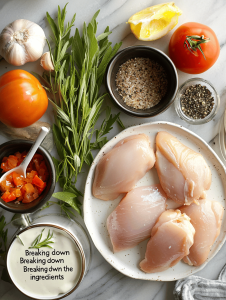
Breaking down the ingredients
- Chicken breasts:: Lean, quick-cooking, best when pounded flat for evenness.
- Olive oil:: Adds richness and helps develop a crispy crust.
- Lemon juice:: Bright, zesty, cuts through the richness with a zing.
- Smoked paprika:: Adds a smoky depth, enhances flavor without overwhelming.
- White wine:: De-glazes the pan, infusing the sauce with subtle fruitiness.
- Herbs (parsley or thyme):: Fresh garnish, adds a pop of color and freshness.
- Salt and pepper:: Fundamental, but crucial for balancing flavors.
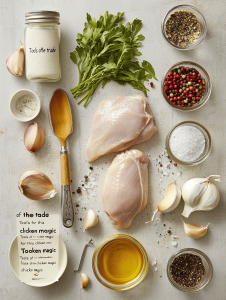
Tools of the trade for this chicken magic
- Heavy skillet or cast-iron pan: Provides even heat for a perfect sear.
- Meat tenderizer or rolling pin: Helps even out thick parts of the chicken.
- Tongs: Turns the chicken without piercing and losing juices.
- Instant-read thermometer: Ensures the chicken hits safe, juicy doneness.
- Ladle or small spoon: For deglazing and creating the citrus glaze.
Step-by-step for the perfect pan-roasted chicken breast with citrus
Step 1: Start by pounding the chicken breasts to an even thickness, about 1.5 cm (0.6 inch).
Step 2: Heat a heavy skillet over medium heat, about 160°C (320°F).
Step 3: Season the chicken generously with salt, pepper, and a pinch of smoked paprika.
Step 4: Add a splash of olive oil to the pan, then lay the chicken in once shimmering. Cook for 6-7 minutes per side, until golden and cooked through.
Step 5: During the first 3 minutes, let the chicken sear undisturbed for a crispy crust.
Step 6: Flip the chicken, and cook the other side until it reaches an internal temperature of 75°C (165°F).
Step 7: Remove the chicken, rest for 5 minutes under foil.

Step 8: While resting, deglaze the pan with lemon juice and a splash of white wine, scraping up any browned bits.
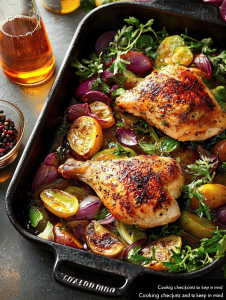
Cooking checkpoints and tips to keep in mind
- Chicken should be golden and firm to the touch, not soft or rubbery.
- The internal temperature must reach 75°C (165°F) for safety and juiciness.
- The pan should be hot enough to sizzle when the chicken hits the oil, but not smoking.
- The resting period helps juices redistribute, keeping the chicken moist and tender.
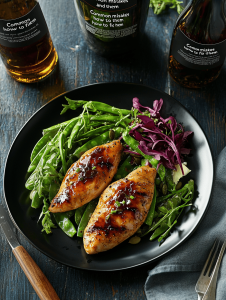
Common mistakes and how to fix them
- Uneven thickness, leading to overcooked edges.? FORGOT to pound the chicken evenly → Pound to 1.5 cm for uniform cooking.
- Soggy, greasy crust.? DUMPED too much oil in the pan → Use just enough to lightly coat the surface.
- Burnt exterior, raw inside.? OVER-TORCHED the chicken → Keep an eye on the heat, and flip at 3-4 minutes.
- Juices run out when sliced, making it dry.? MISSED resting time → Rest for at least 5 minutes, tented with foil.
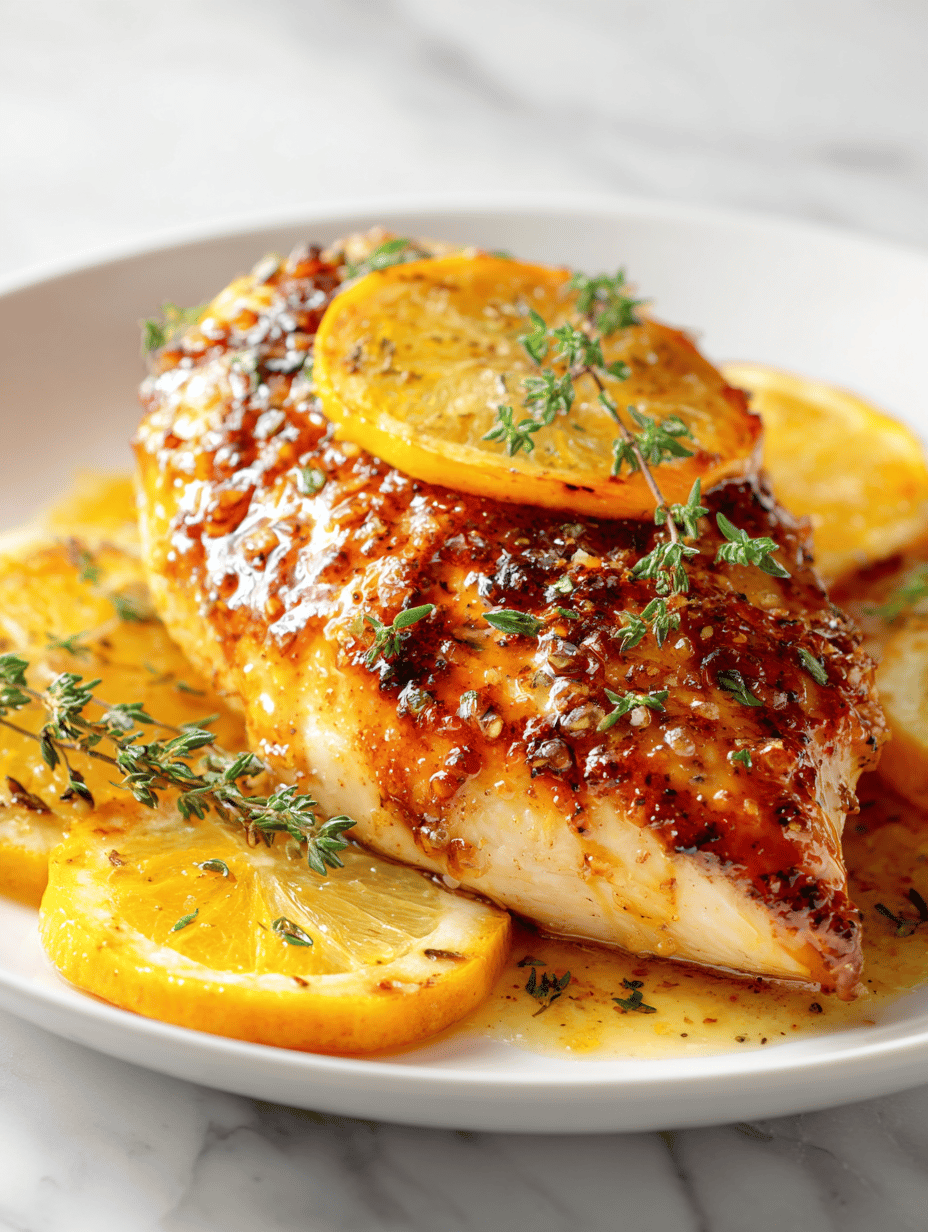
Pan-Roasted Chicken Breast with Citrus Glaze
Ingredients
Equipment
Method
- Pound each chicken breast to an even thickness of about 1.5 cm using a meat tenderizer or rolling pin. This ensures uniform cooking and a juicy result.
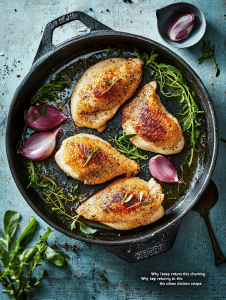
- Heat a heavy skillet over medium heat until it’s hot but not smoking, about 160°C (320°F). Add a splash of olive oil and swirl to coat the bottom.
- Season the chicken generously with salt, black pepper, and smoked paprika on both sides. Place the chicken in the hot pan, searing undisturbed for 3 minutes to develop a golden crust.
- Flip the chicken using tongs, then cook for another 6-7 minutes, until the exterior is golden brown and the internal temperature reaches 75°C (165°F). Use an instant-read thermometer to check for doneness.
- Remove the chicken from the pan and let it rest on a plate, tented loosely with foil, for about 5 minutes. This helps the juices redistribute and keeps the meat moist.
- While the chicken rests, deglaze the pan with lemon juice and white wine, scraping up any browned bits with a spoon. Let the sauce simmer until slightly thickened and glossy, about 2 minutes.
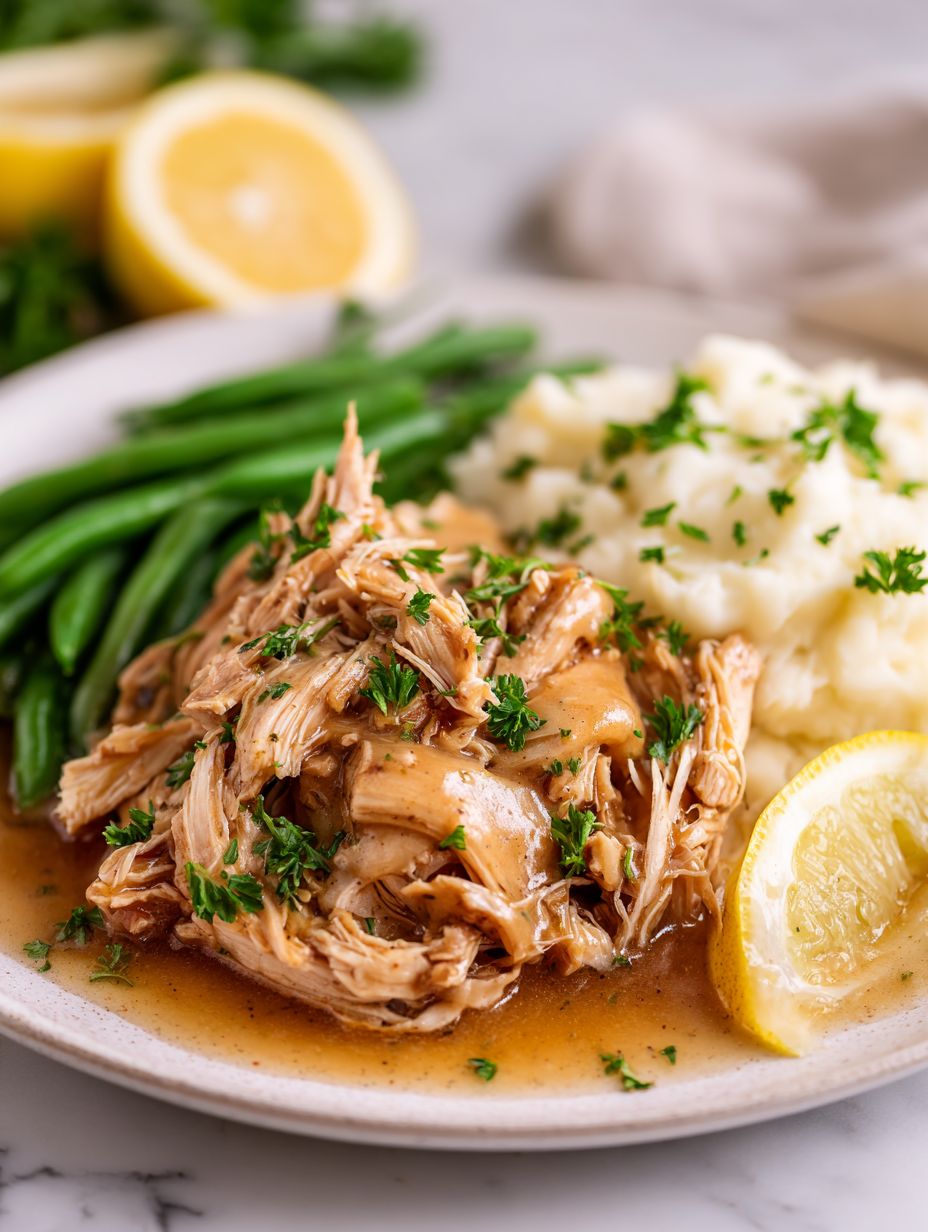
- Slice the rested chicken breasts and arrange them on a serving plate. Spoon the citrus glaze over the top, then sprinkle with freshly chopped herbs for added color and freshness.

Hi, I’m Mason Harper, the voice and heart behind Rooting in Freshness. I’m so glad you’re here. This space was born from my love for seasonal ingredients, simple cooking, and the belief that food tastes better when it’s grown, chosen, and prepared with intention. Rooting in Freshness is more than a food blog to me. It is a reflection of how I live, cook, and connect with the world around me.
Leave a Reply